Posts

Artificial Intelligence and Robotics

Image
Physical robots have been around for almost a hundred years, but not without their limitations. In the 1990s the idea of the collaborative robot, or cobot, emerged to help find ways to put robots in closer proximity to humans, but it is only through the inclusion of AI that robotics can continue to progress.                                              While the term robotics conjures up visions of hardware machines performing a wide range of tasks, the term robot is now used to describe any sort of software or hardware-based automation that can perform a task. However, many of these software robotics systems are limited in their ability and are not able to communicate with other systems or robots to carry out these tasks. With the addition of machine learning, robots and cobots can improve their communication and handle even more complex tasks without the normal risk assoc...

Artificial Intelligence

Image
  The beginnings of modern AI can be traced to classical philosophers' attempts to describe human thinking as a symbolic system. But the field of AI wasn't formally founded until 1956, at a conference at Dartmouth College, in Hanover, New Hampshire, where the term " artificial intelligence " was coined. One of the most important changes we have seen in the field of machine learning and machine translation is the introduction of "learned skills". This term, in particular, is based on knowledge of the computer's operating system, or of hardware and software that the computer learns and uses. This makes it a powerful term for machine learning. But the real meaning is an understanding of a specific user-specific experience. For example, here are some examples of learn-to-like behaviors. The "learned skills" are often applied to human beings such as learning how to walk, to read information about a subject, to navigate, to check email, to pick up b...

Magnesium battery : Current trends and future perspectives

Image
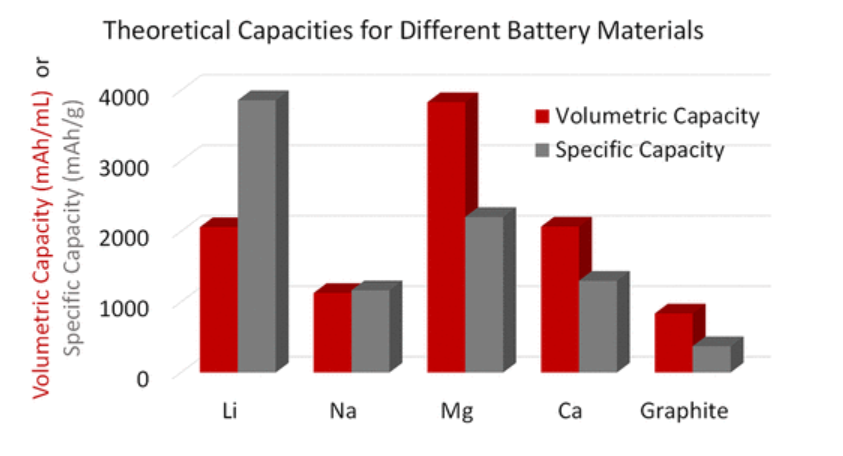
  ABSTRACT:-                                                     Lithium-ion batteries have enabled electric vehicles to achieve a foothold in the automobile market. Due to an increasing environmental consciousness, electric vehicles are expected to take a larger portion of the market, with the ultimate goal of supplanting traditional vehicles. However, the involved costs, sustainability, and technical limitations of lithium-ion batteries do create substantial obstacles to this goal. Therefore, this article aims at presenting magnesium-ion batteries as a potential replacement for lithium-ion batteries. Though still under development, magnesium-ion batteries show promise in achieving similar volumetric and specific capacities to lithium-...